Looking to keep your crew busy? Join a local network built to connect contractors and subcontractors with construction projects that fit their trade and service area.
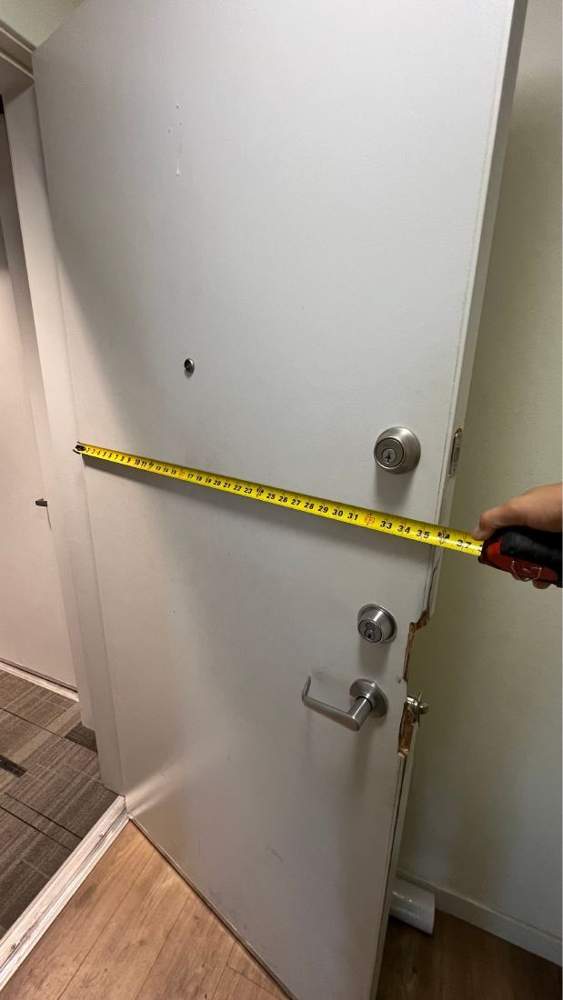
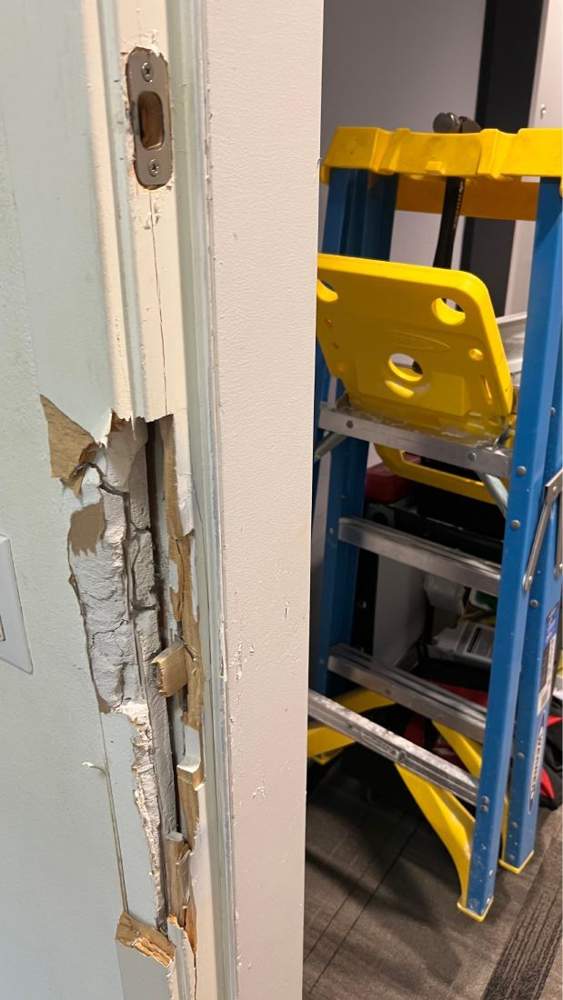
Provide labor, tools, equipment, transportation, disposal, and applicable materials to replace one damaged front entry door, repair the existing frame where feasible, and complete associated finish work.
1. Preparation & field verification
Coordinate access and work schedule with the project representative. Protect adjacent flooring, walls, trim, and finishes.
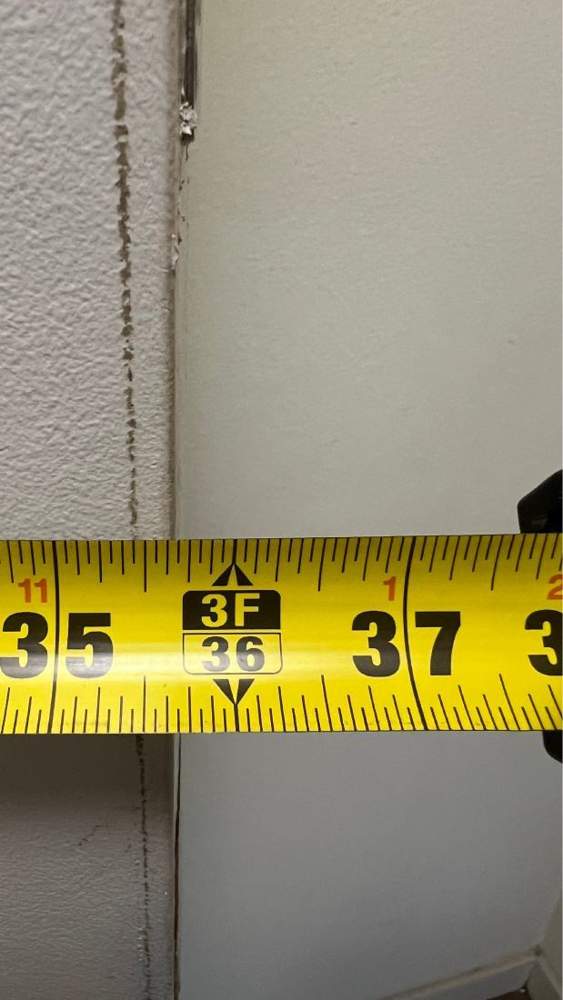
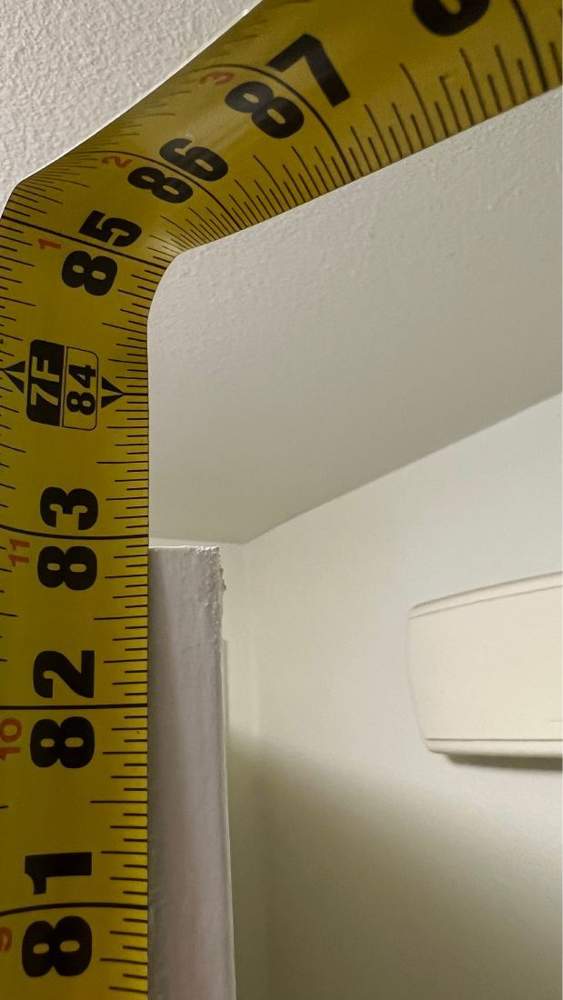
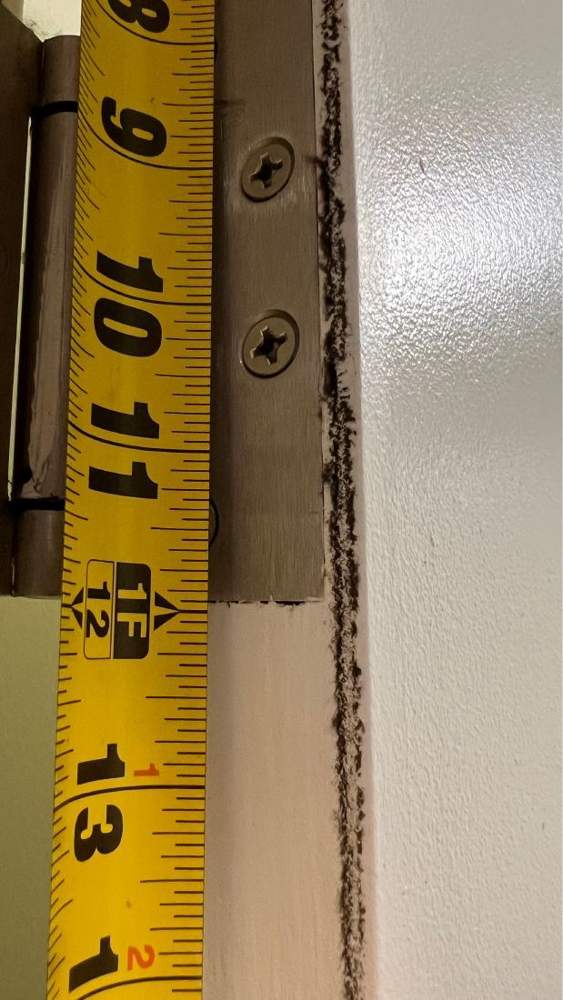
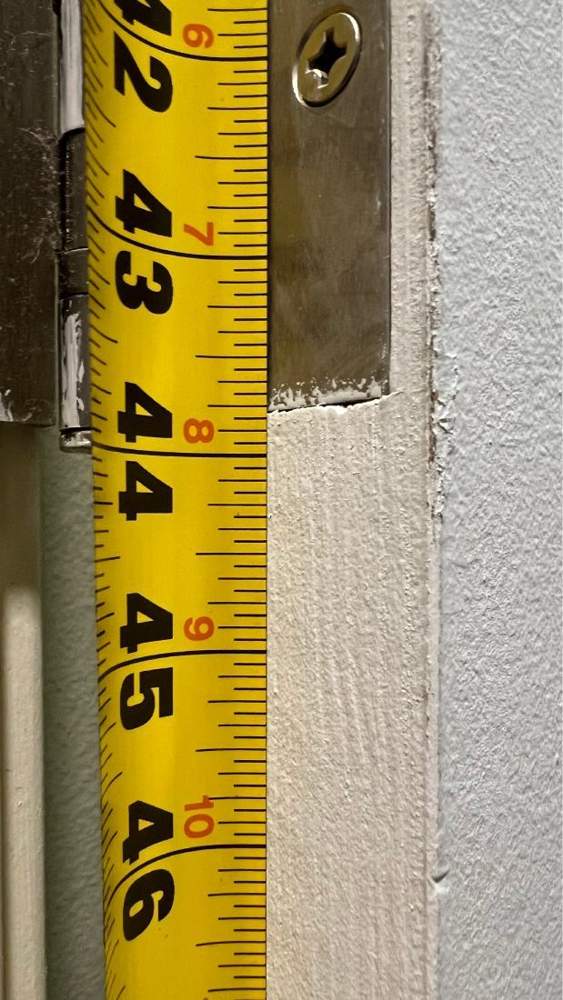
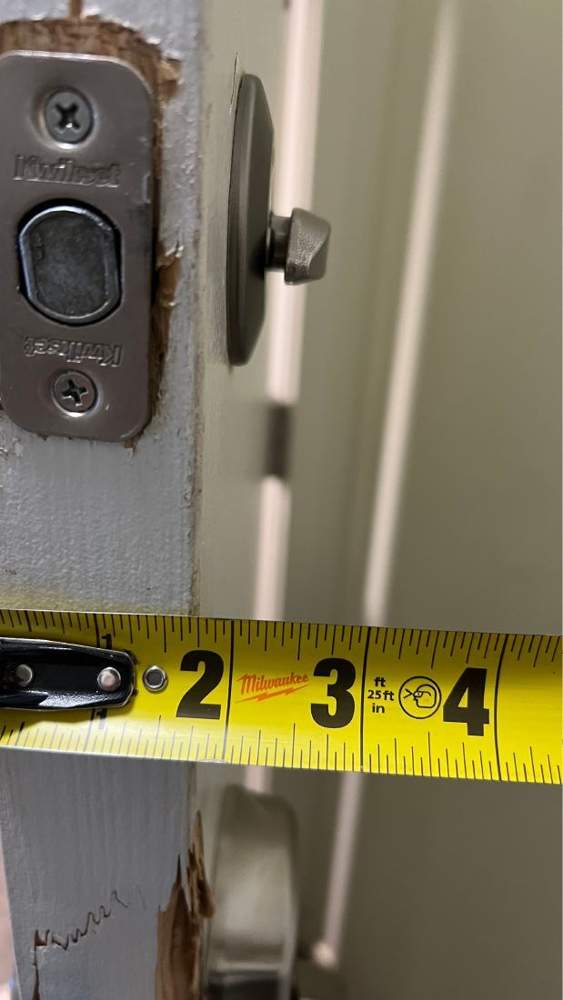
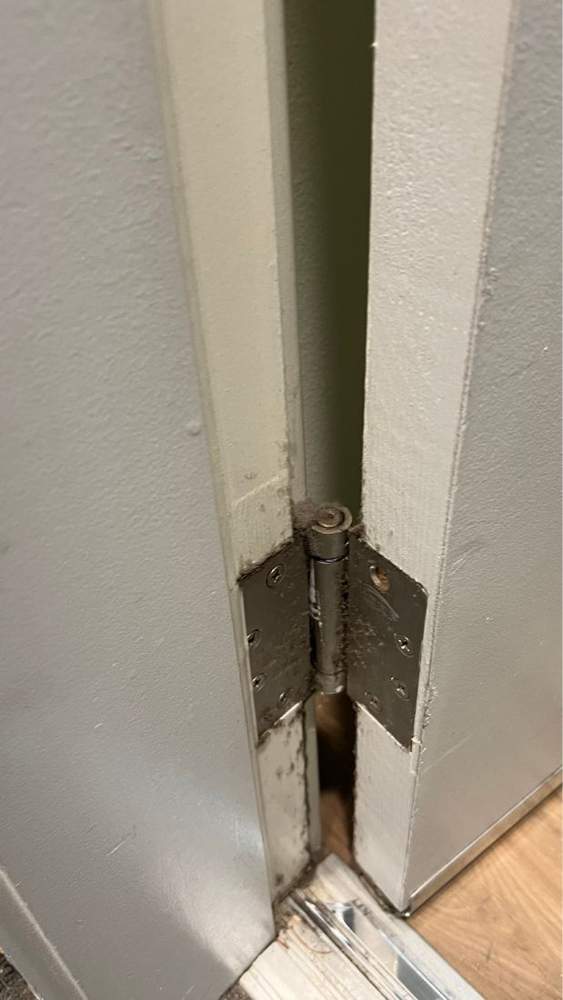
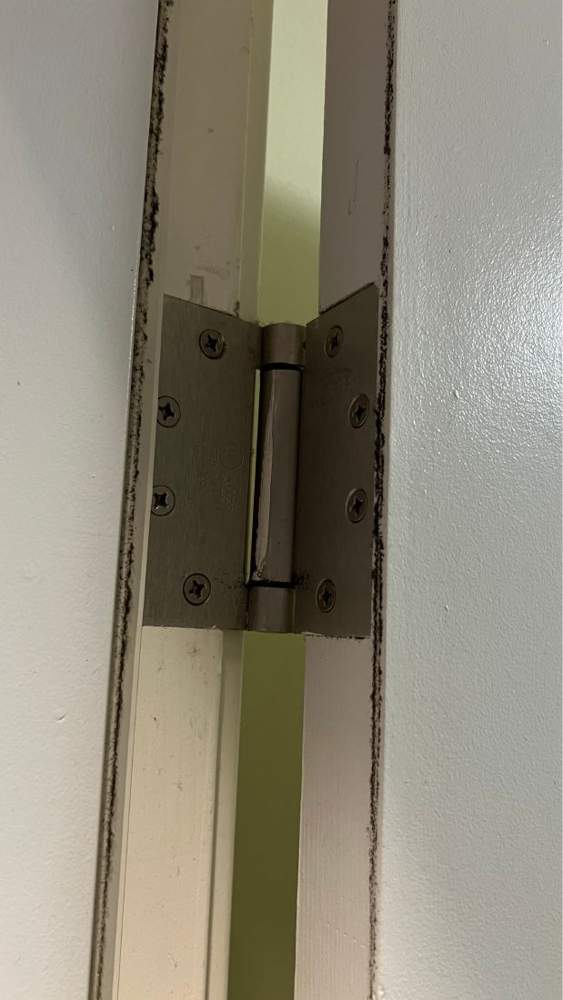
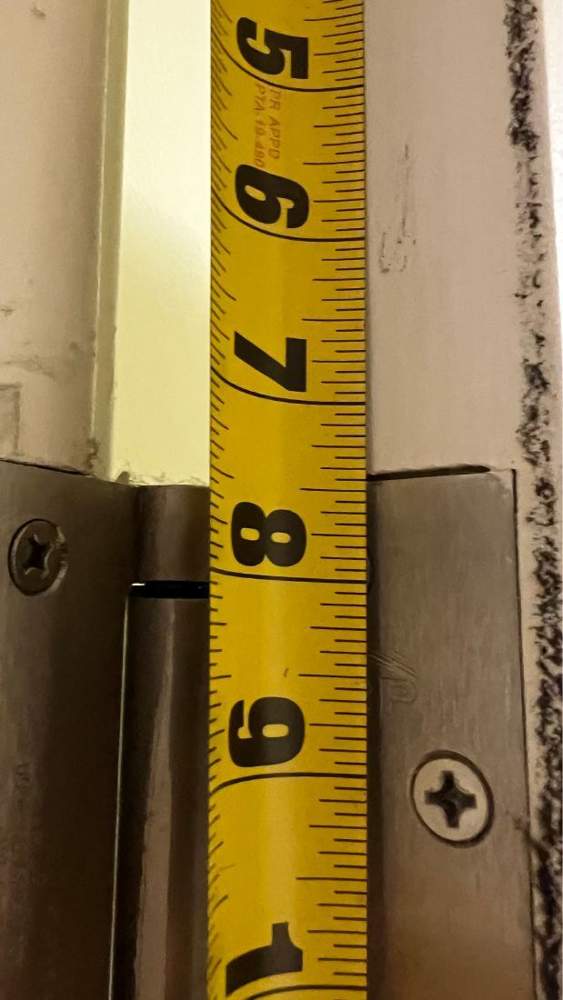
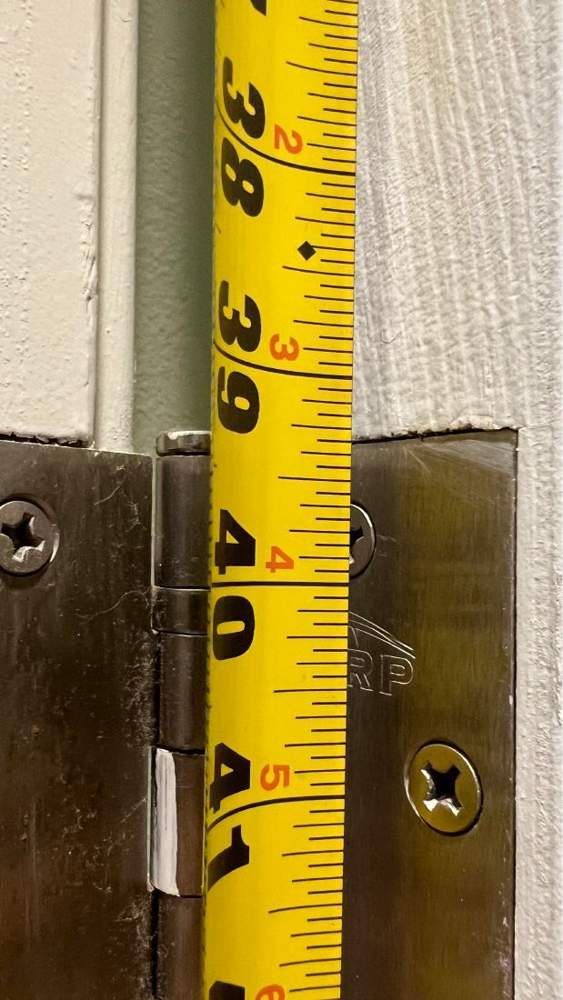
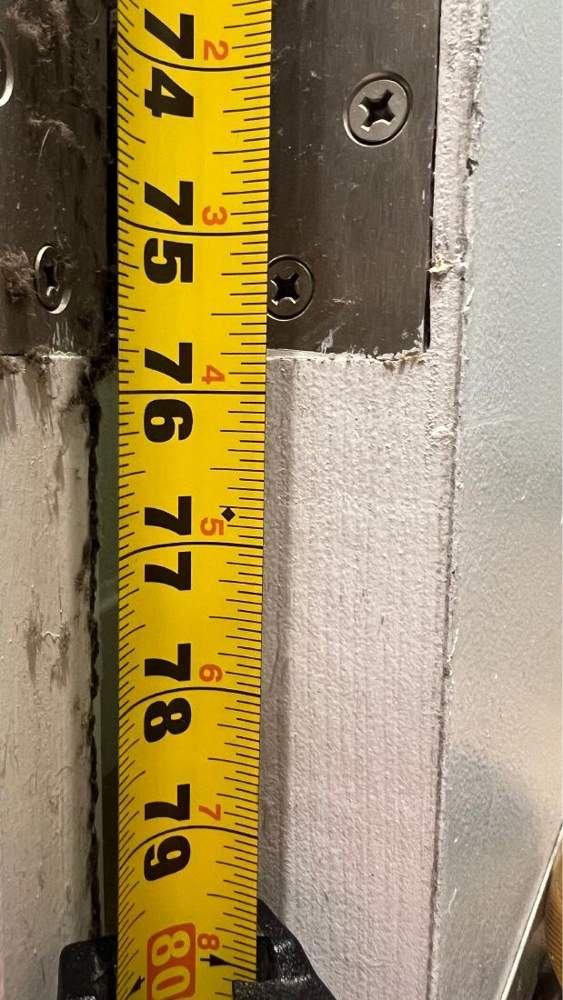
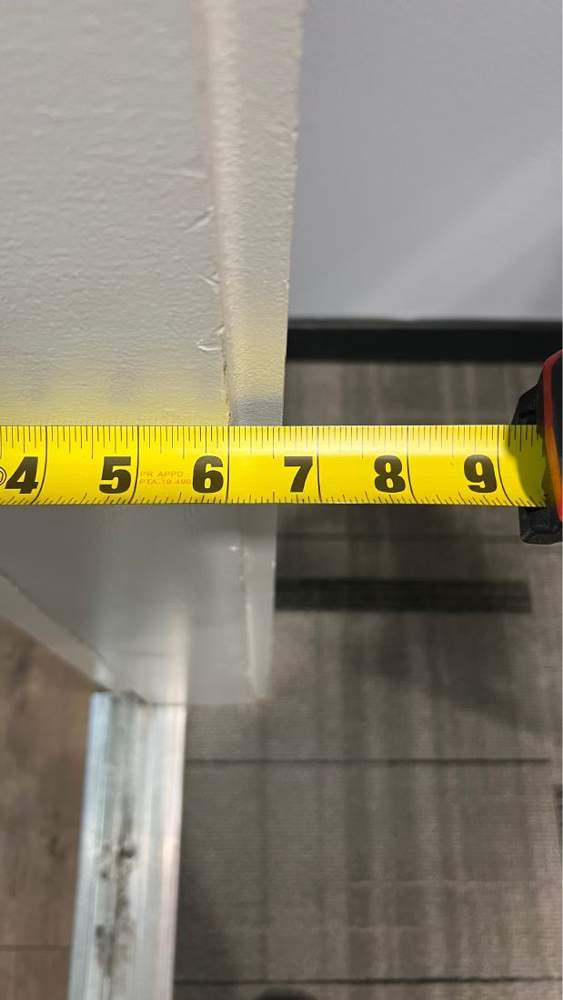
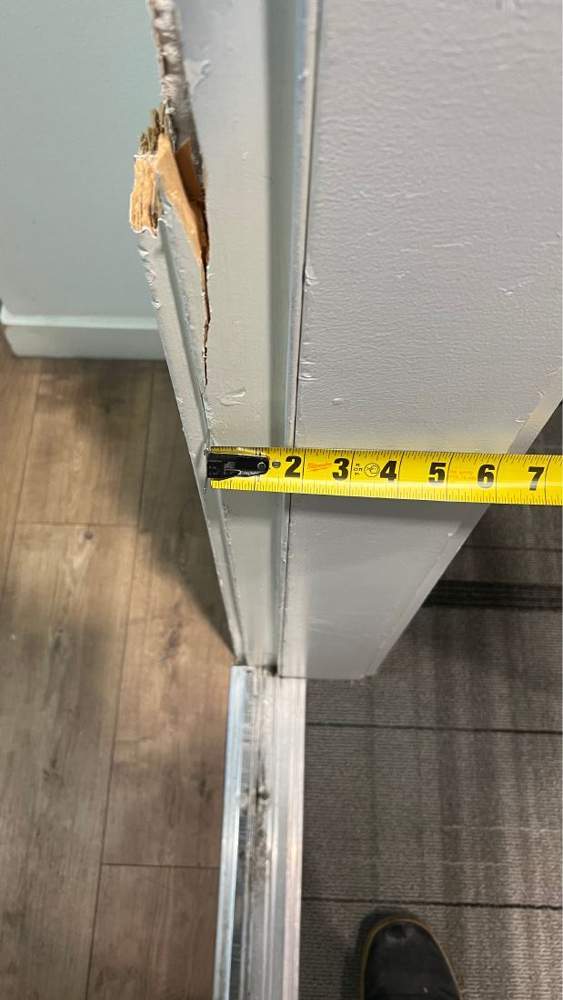
Field verify door dimensions, thickness, swing, handing, construction, hinge positions, hardware preparation, frame condition, and required fire rating before submitting a firm proposal and ordering materials.
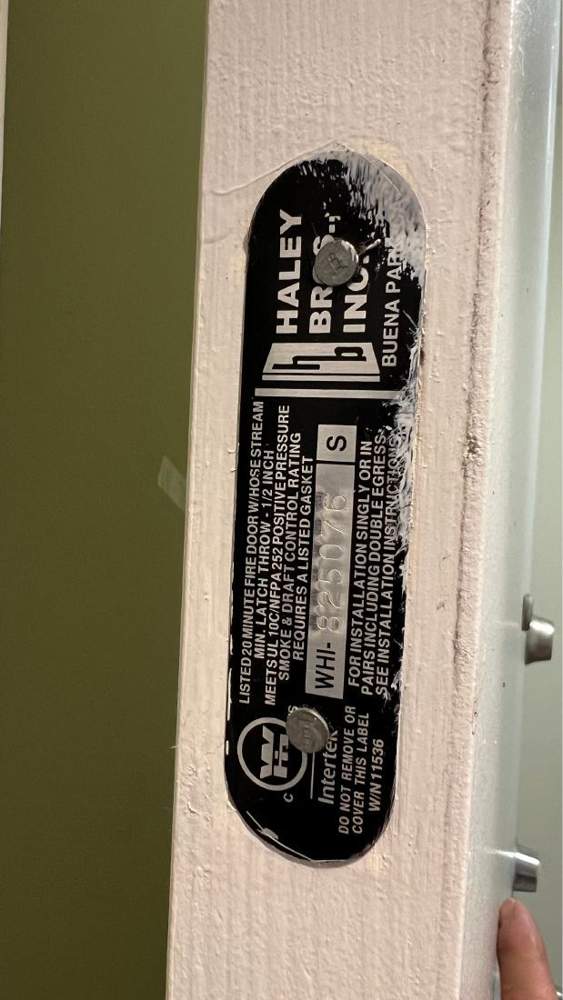
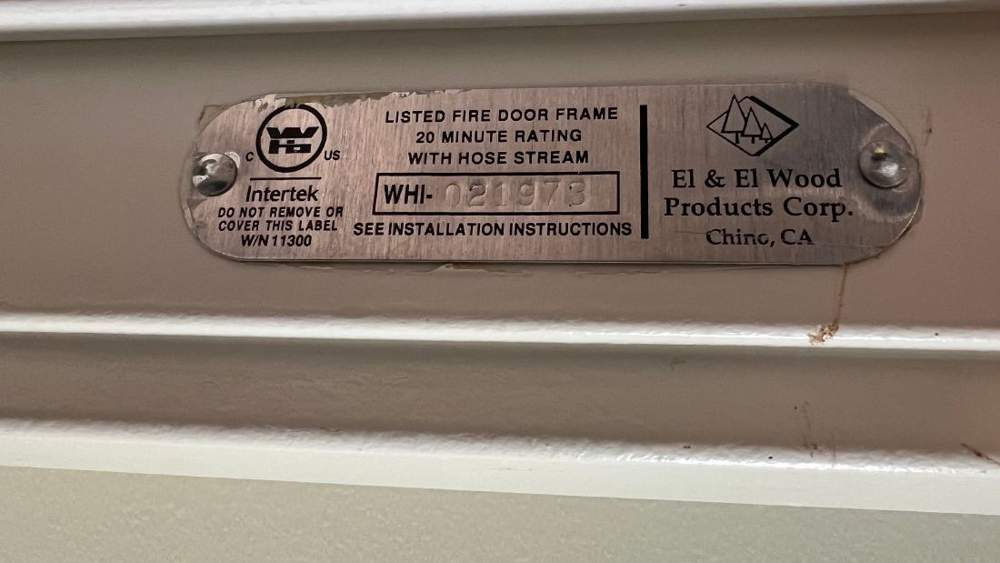
Review existing door and frame labels and confirm replacement compatibility. Maintain a secure entrance at the end of each workday.
2. Materials & door allowance
Include standard consumables, fasteners, anchors, adhesives, patching materials, sealants, shims, mounting hardware, minor lumber where applicable, and general construction supplies necessary for this scope.
Provide one replacement door matching approved dimensions, appearance, construction, and applicable rating requirements. Identify manufacturer, model, construction, rating, finish, and lead time.
Show door supply cost separately from labor. If final selection is pending, state a proposed material allowance and its inclusions. No dollar allowance has been established in this bid package. Obtain approval before purchasing.
3. Demolition & removal
Remove and dispose of the damaged entry door. Remove hinges, locksets, deadbolts, strikes, and associated fasteners as necessary.
Protect and retain serviceable hardware designated for reuse. Inspect the frame, attachment points, and surrounding substrate after removal. Remove loose and damaged material needed for approved repairs.
4. Frame & jamb repairs
Repair the damaged latch-side jamb and strike area where an approved repair is feasible. Include localized preparation, reinforcement, anchoring, and finish patching.
Check hinge-side attachment points and repair minor deficiencies necessary for operation. Preserve existing identification labels and the integrity of any labeled or rated assembly.
Report damage preventing a sound, compatible repair before proceeding. Price complete frame replacement separately as an alternate if existing frame repair is not feasible.
5. Door & hardware installation
Fit, hang, and secure the replacement door within the approved frame. Align hinges, latch, strikes, and approved locking hardware.
Reuse existing hardware only where serviceable and compatible. Separately identify replacement hinges, locks, deadbolts, closer, seals, sweep, threshold components, and other hardware included or excluded.
Confirm the approved hardware configuration before fabrication or installation; do not assume the existing multiple-lock arrangement is to be duplicated.
Adjust for smooth operation, proper clearances, positive latching, and secure closure. Test self-closing operation where a closer is required.
6. Patching & finishing
Prepare, prime, and paint the replacement door and repaired frame surfaces as applicable. Match the approved existing color and sheen as closely as reasonably possible.
Patch localized adjacent surfaces disturbed by this scope. Include necessary compatible caulking and touch-ups.
7. Cleanup & completion
Remove debris, packaging, and demolition materials. Clean the work area and remove temporary protection.
Demonstrate door and hardware operation to the project representative. Deliver keys, product information, and applicable warranties.
Contractor proposal requirements
Identify door supply cost or allowance; installation labor and localized frame repair; reused, supplied, and excluded hardware; complete frame replacement alternate where applicable; painting, patching, hauling, and disposal; exclusions and concealed-condition assumptions; work by others; procurement lead time; installation duration; and earliest availability.
All dimensions and conditions require field verification. Additional work requires written approval. Public job location: Long Beach, CA. Exact address and access arrangements will be coordinated separately.
Your proposal
Price the full job. Or your specialty.
Submit one complete proposal or bid the trades you cover. Your proposal and price are stored privately and are not displayed to other bidders.
A submission is not an award or acceptance of a contract. License numbers are self-reported, not verified. Do not include confidential customer details. This form accepts written proposals; file attachments are not supported yet.
Your path to the next project
You know your trade. Let’s help you get connected.
We’re building a local network around the work you want. Here’s how the founding pilot will start.
01 / INTRODUCE YOUR CREW
Tell us what you do.
Share your trade, service area, preferred work, and availability. General contractors and specialty subcontractors can both join.
02 / EXPLORE THE FIT
Get the details first.
As pilot packages become available, we plan to connect participating companies with relevant scopes, photos, schedules, and site information.
03 / PRICE YOUR WORK
Bid with a clearer picture.
Choose whether a project suits your crew. Clarify the scope and prepare a proposal with your price, exclusions, and availability. Awards are never guaranteed.
Find the work that fits
For the contractor. For the trade. For the crew.
Looking for construction work?
Whether you handle full remodels or specialize in one trade, introduce your company and the work you want to take on.
General construction, remodels & ADUs
Plumbing, electrical, HVAC & roofing
Framing, concrete, drywall, paint & flooring
Have work to bid out?
Help create opportunities for the local network. Tell us about a project or trade package you’d like help preparing for bids.
Share your project type and location
Describe the trades you need
Discuss scope preparation for the pilot
Founding pilot
Tell us your trade. Let’s start there.
Looking for your next project? Tell us what you do, where you work, and when your crew is available. We’re gathering interest for the first Southern California pilot, welcoming companies across the region—including Los Angeles, Orange, Ventura, Santa Barbara, San Bernardino, Riverside, San Diego, and Imperial counties.
↗ California contractor license number required ↗ Share the type of work you want ↗ No payment information required
This is a pilot interest form, not an account application or a guarantee of projects, bids, or awards. Pricing and participation details will be confirmed before any paid service.
Before you join
A few things to know.
Is the marketplace open for bidding yet?
Yes. The Palos Verdes Condo Improvements scope is open for written proposals until October 28, 2026 at 11:59 p.m. Pacific. All contractors may submit a full-scope or trade-specific proposal with a California contractor license number. Account creation is not required. The featured project at the top links to the complete scope, site photos, and proposal form.
Do I need to pay to join?
No payment is required to express interest. Any pilot service, future subscription, or package fee will be explained and agreed to before you commit.
Does a complete package replace a site visit?
Photos, measurements, and plans can help a subcontractor evaluate work remotely. Some scopes still require a site visit or further verification before a firm proposal.
Does VerasGB verify or guarantee contractors?
Everyone submitting this form must provide a California contractor license number. The number is self-reported; submitting it is not a license check or an endorsement. Project owners and contractors remain responsible for their own selection, qualifications review, contracts, and project decisions.